Renowned Computer Scientist Sir Tony Hoare Dies at 92
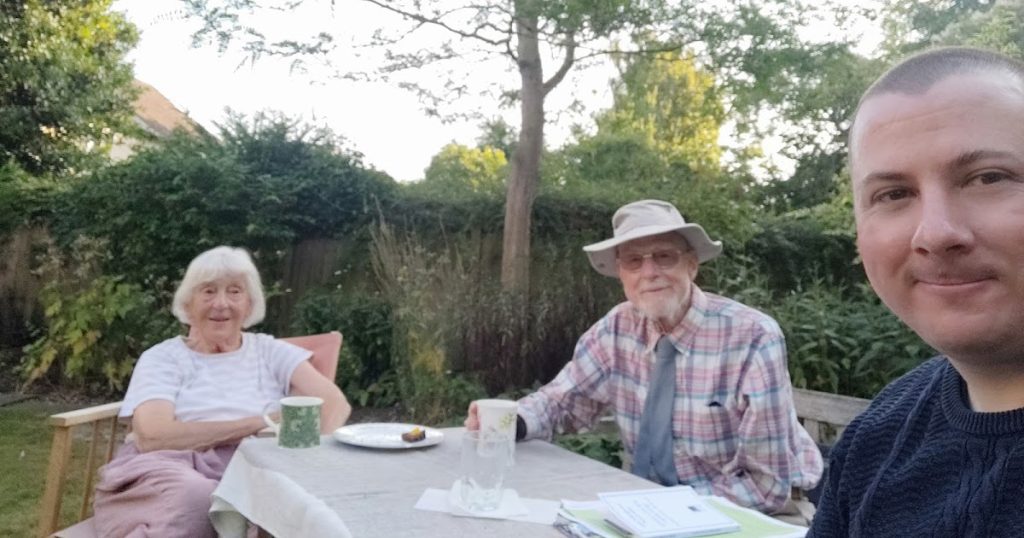
The computing world mourns the loss of Sir Charles Antony Richard Hoare, the distinguished computer scientist and Turing Award laureate who died last Thursday at age 92. Known globally for his groundbreaking contributions including the quicksort algorithm, ALGOL programming language development, and Hoare logic, his passing marks the end of an era in computer science.
A Personal Remembrance
Beyond his technical achievements, those who knew Hoare personally remember a man of remarkable warmth and intellectual curiosity. Jim Miles, who visited the Cambridge-based scientist regularly over the past five years, offers intimate insights into the personality behind the legendary contributions to computing.
During their meetings, Hoare demonstrated the mental acuity that had defined his career, recalling with crystal clarity the evolution of his work and the dramatic scaling of computer programs since his early days in the field. Despite physical challenges typical of his advanced age, his memory remained razor-sharp and his enthusiasm for discussing his work never waned.
From Classics to Computing
Hoare’s path to computer science was far from conventional. Originally educated in Classics and Philosophy, he underwent intensive Russian language training through the Joint Services School for Linguists program during his National Service. This linguistic expertise, combined with his growing interest in statistics and emerging computer technology, led to a unique role demonstrating early computer systems at international exhibitions, including in the Soviet Union.
His fluency in Russian and deep understanding of these early machines positioned him not merely as a demonstrator but as an integral part of development teams, showcasing the interdisciplinary nature that would characterize his entire career.
The Famous Quicksort Wager
One of the most cherished anecdotes from Hoare’s career involves the creation of quicksort. While working at Elliott Brothers Ltd, he informed his supervisor that he had devised a sorting algorithm superior to the one he had just implemented. His boss skeptically wagered sixpence that no such improvement existed. Hoare’s quicksort algorithm proved faster, and he confirmed in later years that the wager was indeed paid out.
This story exemplifies Hoare’s professional integrity—despite believing he had a better solution, he completed the originally requested slower algorithm before proposing his innovation, demonstrating the professionalism that marked his entire career.
Life Beyond Academia
During his tenure at Microsoft’s Cambridge research facility, Hoare was known for occasionally slipping away on afternoon cinema visits to the local Arts Picturehouse. When questioned about this habit, he confirmed it was indeed one of his simple pleasures, fully accommodated by his position at the technology giant.
Hoare also addressed the Hollywood portrayal of mathematical genius, particularly as depicted in films like Good Will Hunting. While agreeing that cinema often misrepresents how expertise in abstract fields develops through countless hours of dedicated thought rather than unexplained innate ability, he remained uncertain about various quotes attributed to him online regarding this topic.
Cryptic Insights on Technology
In discussions about computing’s future, including Moore’s Law limitations and quantum computing potential, Hoare made an intriguing observation with characteristic confidence. He suggested that government technology capabilities far exceeded public imagination, remaining years ahead of commercially available systems. When pressed about whether such advances could compromise current cryptographic protocols, he responded with enigmatic evasiveness, leaving observers to wonder whether this reflected genuine insider knowledge or his well-known sense of humor.
Sir Tony Hoare’s legacy extends far beyond his technical innovations to encompass the warmth, humor, and intellectual generosity he shared with colleagues and admirers throughout his remarkable 92-year life.