Vice President Stands by Support for Defeated Hungarian Leader Despite Electoral Upset
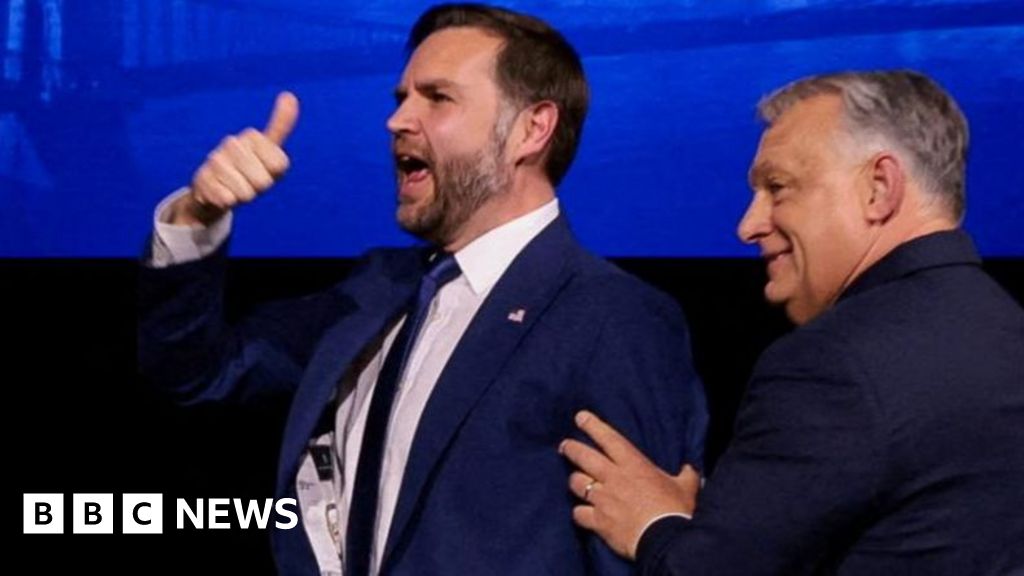
The recent political earthquake in Hungary has put American diplomatic relationships under scrutiny, as Vice President JD Vance defended his controversial decision to campaign alongside Viktor Orbán just days before the Hungarian strongman suffered a crushing electoral defeat. This situation perfectly illustrates the risks of backing authoritarian figures who appear politically invincible—until they’re not.
A Miscalculated Political Gamble
Vance’s two-day campaign visit to support Orbán, occurring merely five days before the election, now looks like a spectacular diplomatic miscalculation. In my view, this represents exactly the kind of short-sighted foreign policy thinking that prioritizes personal relationships over democratic principles. The Vice President’s characterization of Orbán as a “great guy” who did a “very good job” rings hollow when you consider Hungary’s systematic erosion of press freedom and judicial independence under his rule.
What’s particularly telling is Vance’s justification that Orbán was “one of the few European leaders willing to stand up to Brussels bureaucracy.” This framing reveals a fundamental misunderstanding of European Union dynamics and democratic governance. For American conservatives who view EU institutions as overly bureaucratic, this might sound appealing, but it ignores the reality that many of Brussels’ concerns about Hungary were rooted in legitimate rule-of-law issues.
The Opposition’s Landslide Victory
Péter Magyar’s Tisza party didn’t just win—they demolished Orbán’s Fidesz in what can only be described as a political tsunami. Securing 137 seats out of 199 gives them a constitutional supermajority, which is frankly remarkable for any opposition movement. This outcome suggests that Hungarian voters were far more fed up with Orbán’s governance than most international observers, including apparently the American Vice President, realized.
Magyar’s criticism of foreign interference in Hungarian elections was entirely justified. His warning that “no foreign country may interfere in Hungarian elections” should have been obvious to any American official, given how sensitive the United States is about foreign election meddling. The fact that Magyar still expressed willingness to work with the Trump administration shows diplomatic maturity that frankly exceeds what we saw from the American side.
Implications for Corruption and Governance
The incoming government faces a monumental task in cleaning up what Magyar describes as systematic corruption on an “industrial scale.” His plans for an Anti-Corruption Office and National Asset Recovery unit are exactly what Hungary needs, though implementation will be the real test. For international investors and EU partners, this represents a potentially transformative opportunity—if Magyar can deliver on his promises.
The suspension of €17 billion in EU funding due to rule-of-law concerns under Orbán demonstrates how corruption ultimately costs countries dearly. Hungarian taxpayers have essentially been subsidizing cronies while missing out on massive development opportunities. This should serve as a cautionary tale for other nations flirting with authoritarian governance models.
Media Freedom and Democratic Norms
Perhaps most striking is Magyar’s revelation that he was never allowed on public television during his entire time leading the opposition—until the morning after his electoral victory. This perfectly encapsulates the media control that characterized Orbán’s Hungary. Magyar’s pledge to suspend biased news coverage until independent oversight can be established shows serious commitment to democratic norms, though media reform is notoriously difficult to implement effectively.
Geopolitical Ramifications
The change in Hungarian leadership has immediate implications for Ukraine aid, with €90 billion in assistance previously blocked by Orbán’s veto. Magyar’s position that Hungary opted out of the December loan agreement suggests a pragmatic approach that could quickly unlock this crucial support. For Ukraine and its allies, this represents a desperately needed breakthrough.
European Commission President Ursula von der Leyen’s swift outreach to Magyar indicates how eager EU leadership is to reset relationships with Hungary. The fact that German Chancellor Friedrich Merz is pushing for rapid aid release shows the broader European consensus that Orbán’s obstructionism was counterproductive.
This electoral outcome ultimately benefits democratic institutions and rule of law, both in Hungary and across Europe. While it’s embarrassing for the American administration that backed the losing side, the result serves long-term Western interests far better than continued Orbán rule would have. Sometimes diplomatic miscalculations work out for the best, even if they reveal poor judgment in the moment.