Diplomatic Momentum Builds as US-Iran Nuclear Negotiations May Resume
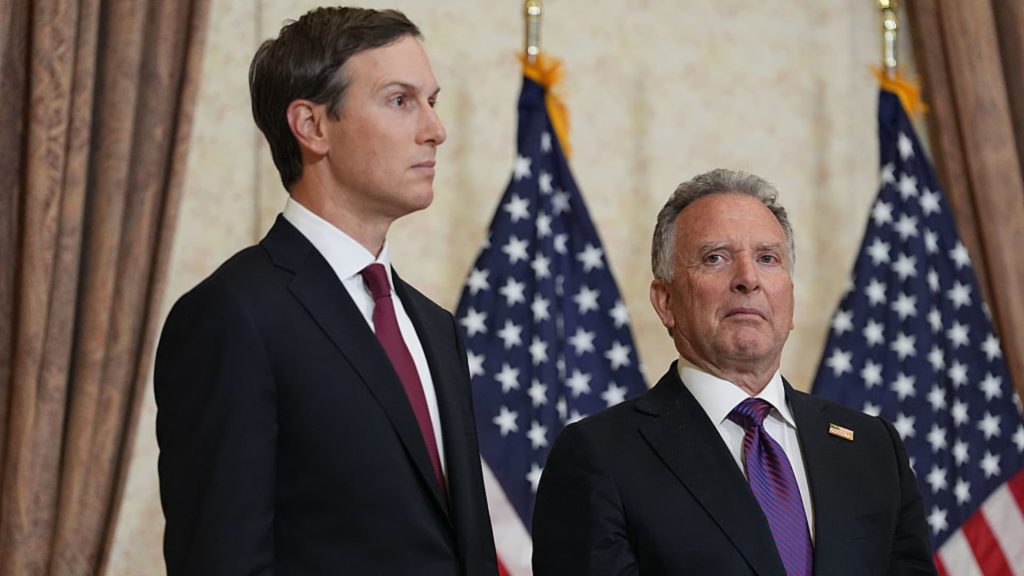
The prospect of renewed diplomatic engagement between Washington and Tehran has emerged as both nations consider returning to the negotiating table following last weekend’s inconclusive talks in Pakistan. While no formal arrangements have been confirmed, sources suggest discussions could restart within days, potentially before the current two-week ceasefire arrangement expires on April 21.
I believe this development represents a critical juncture in Middle Eastern diplomacy that could reshape regional stability for years to come. The willingness of both sides to consider additional rounds of dialogue, despite obvious frustrations from the initial meetings, suggests there’s genuine recognition that military escalation serves neither nation’s interests.
The initial negotiations in Islamabad concluded without breakthrough agreements, with fundamental disagreements over nuclear program limitations remaining unresolved. Each delegation accused the other of moving the diplomatic goalposts, highlighting the deep mistrust that continues to characterize this relationship.
Vice President JD Vance, who headed the American negotiating team alongside special envoys, indicated that the responsibility for advancing talks now rests with Iranian leadership. This positioning strikes me as both strategic and potentially counterproductive – while it may serve domestic political purposes, placing the burden entirely on one party rarely facilitates meaningful diplomatic progress.
Iranian officials have expressed frustration with what they characterize as American inflexibility and bad faith negotiating tactics. Foreign Minister Abbas Araghchi described encountering “maximalism, shifting goalposts, and blockade” from the US delegation, while parliamentary leadership questioned American commitment to building trust.
The current situation particularly benefits regional powers seeking stability and international markets hoping for reduced energy volatility. Oil traders and shipping companies operating in the Persian Gulf have the most immediate stake in successful negotiations, as the ongoing restrictions on the Strait of Hormuz continue disrupting global supply chains.
However, I think hardline factions within both countries have little incentive to see these talks succeed. Military contractors, sanctions enforcement agencies, and political groups that benefit from sustained tension may actively work to undermine diplomatic progress.
The economic implications extend far beyond energy markets. The Strait of Hormuz typically handles roughly one-fifth of global oil traffic, making its continued restriction a significant drag on international commerce. Financial markets have responded cautiously to reports of potential renewed talks, with energy prices declining as diplomatic hopes rise.
What matters most now is whether both sides can demonstrate the political courage necessary to make meaningful concessions. Neither nation can achieve its core objectives through continued confrontation, yet domestic political pressures make compromise extremely challenging for leadership on both sides.
The two-week timeframe creates artificial urgency that could either catalyze breakthrough agreements or provide convenient justification for walking away from negotiations entirely. In my view, this compressed timeline reflects the fragility of the current diplomatic opening rather than genuine commitment to resolution.
For international observers, this situation offers valuable insights into how major powers navigate complex security dilemmas in an interconnected global economy. The outcome will likely influence diplomatic approaches to other regional conflicts and nuclear proliferation challenges worldwide.