Pakistan Emerges as Unexpected Peace Broker Between US and Iran
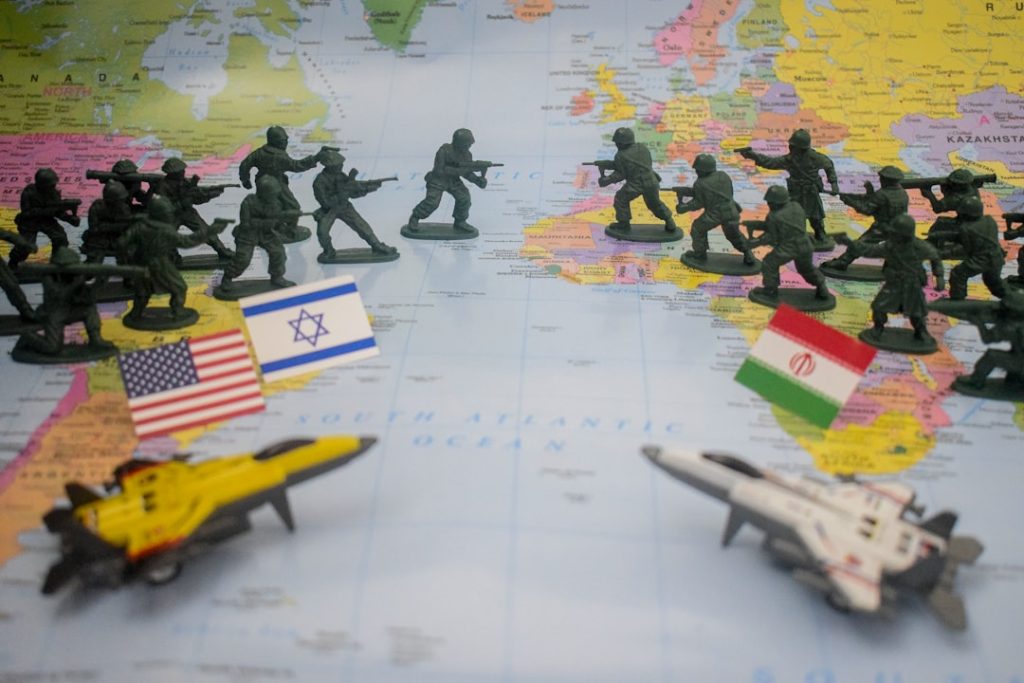
Pakistan has emerged as an unexpected diplomatic mediator in the escalating tensions between the United States and Iran, surprising many observers who questioned how a nation facing its own regional conflicts could position itself as a peacemaker.
The South Asian country’s emergence in this role stems from several strategic advantages. Pakistan shares a 900-kilometer border with Iran and maintains what both nations describe as brotherly relations rooted in deep cultural and religious connections. Unlike many Gulf states, Pakistan has avoided being drawn into the current conflict and notably hosts no American military installations on its soil.
Field Marshal Asim Munir, Pakistan’s military chief, has reportedly gained favor with President Trump, who has publicly praised him and acknowledged his deep understanding of Iranian affairs. This personal relationship has proven valuable in establishing Pakistan’s credibility as a potential intermediary.
Economic Stakes Drive Diplomatic Efforts
Pakistan’s motivation for seeking peace extends beyond diplomatic prestige. The country faces significant economic vulnerabilities due to its heavy reliance on oil imports, much of which passes through the strategically vital Strait of Hormuz. Any disruption to this supply chain could severely impact Pakistan’s already strained economy.

The government has already implemented cost-cutting measures, including fuel price increases of approximately 20% and a reduced four-day work week for public sector employees. Economic experts warn that continued conflict would exponentially increase Pakistan’s financial pressures.
Michael Kugelman from the Atlantic Council notes that Pakistan has more at stake in this conflict than almost any other nation outside the Middle East, creating compelling incentives for the country to pursue de-escalation.
Complex Security Considerations
Pakistan’s mediation efforts are complicated by its own security commitments and regional conflicts. The country signed a mutual defense agreement with Saudi Arabia in September, pledging that aggression against either nation would be considered an attack on both. This raises concerns about potential obligations should Saudi Arabia join any broader conflict.
Additionally, Pakistan is currently engaged in military operations against Afghanistan, accusing the Taliban government of harboring terrorist groups within its borders. Opening another front while managing existing security challenges would strain Pakistan’s military resources and create additional vulnerabilities along its western border.

Public sentiment within Pakistan also presents challenges, as demonstrations following recent regional events revealed overwhelming pro-Iranian sympathies among the population. Several protesters were killed during attempts to storm the US consulate in Karachi, highlighting the delicate balance Pakistani leaders must maintain.
Diplomatic Strategy and Global Positioning
Pakistan’s approach reflects a broader strategy of multi-alignment in international relations, avoiding exclusive partnerships while maintaining relationships across different power centers. This positioning allows Pakistan to communicate with Iran without being perceived as overly pro-American or pro-Israeli.
The country has actively cultivated its relationship with the Trump administration through strategic diplomatic gestures, including nominating Trump for the Nobel Peace Prize and facilitating the handover of individuals wanted by American authorities. These actions have generated goodwill in Washington and enhanced Pakistan’s credibility as a potential mediator.
Former Pakistani diplomat Maleeha Lodhi describes the current situation as high-stakes diplomacy with both significant risks and potential rewards. Success could elevate Pakistan’s global diplomatic standing, while failure might result in relatively limited damage to the country’s international reputation.
However, analysts caution that the prospects for successful mediation remain uncertain given the deep mistrust between Washington and Tehran, along with the maximalist positions maintained by both sides. Pakistan’s Foreign Minister continues diplomatic consultations, including recent meetings with Chinese counterparts, as the country navigates this complex international challenge.
Photo by Saifee Art on Unsplash