Middle East Conflict Poses Dual Threat to Global Semiconductor Industry
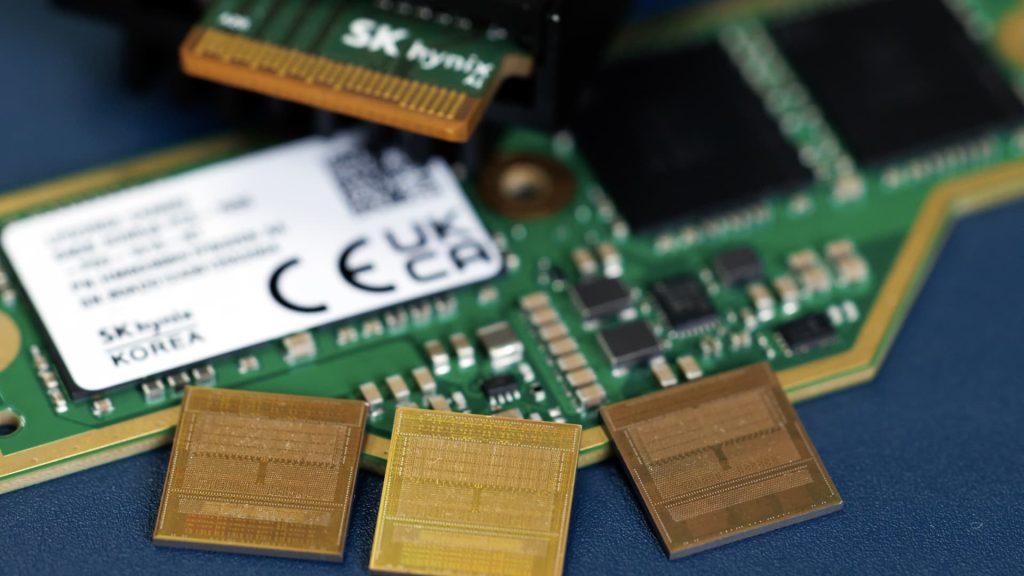
The ongoing tensions in the Middle East are creating significant concerns for the global semiconductor sector, with industry experts warning of potential disruptions to critical material supplies and reduced chip demand due to escalating energy costs.
The conflict has highlighted the semiconductor industry’s vulnerability to geopolitical instability, particularly regarding essential materials sourced from Middle Eastern nations. Market volatility has already impacted major chip manufacturers, with memory producers experiencing substantial market value declines before recent recovery attempts.
Critical Material Supply Vulnerabilities
Qatar’s dominant position in global helium production presents a major risk factor for semiconductor manufacturing. The nation supplies more than one-third of the world’s helium, an irreplaceable element used in chip production processes including heat transfer and lithography operations essential for creating intricate circuit patterns.
Industry experts emphasize that helium has no viable substitutes in semiconductor manufacturing. The Semiconductor Industry Association has previously warned that any disruption to helium supplies would create significant shockwaves throughout global chip production facilities.
Transportation challenges compound the supply risk, as potential closure of the Strait of Hormuz shipping corridor could remove over 25% of global helium supplies from international markets. Recent attacks on Qatar’s Ras Laffan Industrial City, a major helium production facility, have already demonstrated the sector’s vulnerability to regional conflicts.
Bromine represents another critical concern, with Israel and Jordan controlling approximately two-thirds of worldwide production. This chemical element plays an essential role in various semiconductor manufacturing processes, creating additional supply chain dependencies in the conflict region.
Energy Cost Pressures on AI Infrastructure
Rising energy prices stemming from regional instability pose a secondary threat to semiconductor demand, particularly for chips used in artificial intelligence applications. Data centers powering AI systems consume significantly more electricity than conventional facilities, making them especially sensitive to energy cost fluctuations.
The surge in oil prices above $100 per barrel has raised concerns about the economic viability of expanding AI infrastructure. These energy-intensive facilities, operated by major technology companies, represent a crucial market for advanced semiconductors including graphics processing units and specialized memory chips.
Industry analysts note that electricity typically accounts for approximately half of data center operating expenses, with memory systems consuming roughly half of that power consumption. This creates a direct correlation between energy costs and semiconductor demand in the rapidly growing AI sector.
Memory Chip Market Impact
Samsung and SK Hynix, the world’s leading memory chip manufacturers, face particular exposure to these market pressures. Both companies have experienced significant stock price volatility, losing over $200 billion in combined market value since the conflict began, despite recent partial recoveries.
The companies produce High Bandwidth Memory (HBM) and other specialized memory products crucial for AI applications. Strong demand from technology giants building AI infrastructure has driven unprecedented growth in memory chip prices and company profits over recent months.
However, the combination of potential supply disruptions and rising operational costs threatens this growth trajectory. While both manufacturers maintain sufficient reserves and existing supply contracts for near-term production, extended conflict could delay AI infrastructure development and impact conventional memory product pricing.
Long-term Industry Implications
The current situation underscores the semiconductor industry’s complex global supply chain dependencies. Beyond immediate material sourcing concerns, prolonged regional instability could force manufacturers to diversify supplier bases and potentially relocate certain production processes.
Market analysts suggest that sustained conflict could lead to reduced capital spending by data center operators, directly impacting semiconductor demand. The industry’s heavy reliance on AI-driven growth makes it particularly vulnerable to factors that increase the total cost of ownership for large-scale computing infrastructure.
While some supply contracts provide short-term stability, the broader implications of extended regional conflict could fundamentally alter semiconductor market dynamics, potentially affecting profit margins and growth expectations across the industry.