Massive Blazes Engulf Russian Oil Infrastructure After Ukrainian Drone Operations
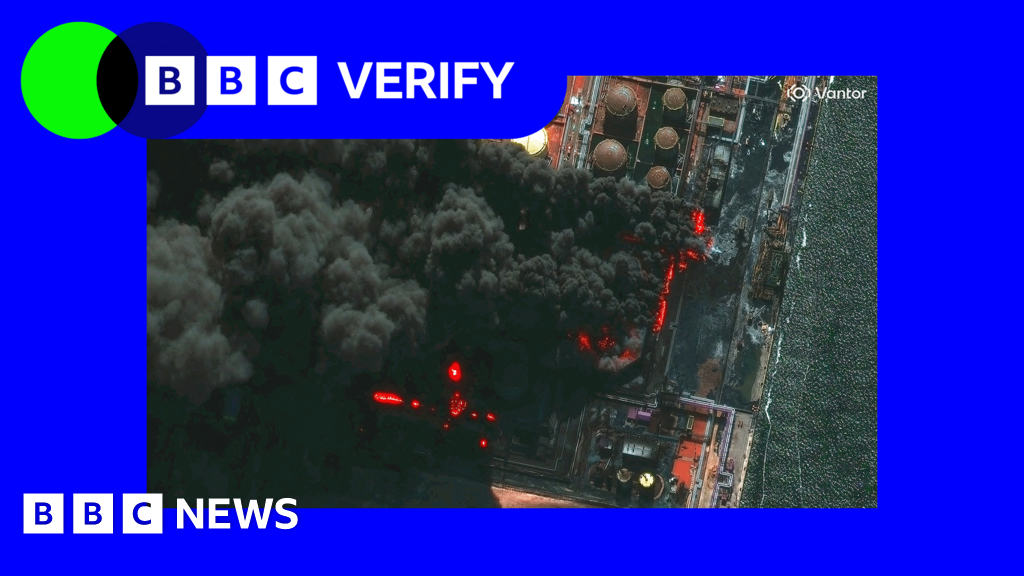
Recent satellite data and authenticated footage reveal that Ukrainian forces have successfully targeted critical Russian petroleum export facilities along the Baltic coastline, resulting in prolonged fires at multiple installations over the past seven days.
Independent verification has confirmed that Ukrainian operations struck at least three major oil installations in Russia’s Leningrad region, positioned near St. Petersburg, approximately 500 miles north of Ukraine’s border, beginning March 23rd.
The coordinated attacks targeted the strategically important Baltic ports of Ust-Luga and Primorsk, along with the inland Kirishi petroleum processing facility. These locations represent vital components of Russia’s energy export infrastructure.
Research conducted by the Centre for Research on Energy and Clean Air, based in Finland, indicates that Primorsk handles 22% of Russia’s total petroleum exports, while Ust-Luga processes 20% of the nation’s oil shipments.
Maritime activity data reveals an unprecedented halt in oil loading operations across all three Russian Baltic ports on March 26th and 27th, marking the first such two-day suspension since Moscow initiated its comprehensive military campaign against Ukraine in early 2022.
Space-based imaging captured massive smoke columns rising from burning facilities at Primorsk on March 24th, with additional fires documented at Ust-Luga and significant structural damage observed at Kirishi by March 27th.
Analysis of the satellite imagery reveals extensive damage across the targeted sites:
- Primorsk facility: minimum of eight storage vessels destroyed or compromised
- Ust-Luga terminal: at least eight tanks damaged or destroyed
- Kirishi refinery: two storage units confirmed damaged
NASA’s Fire Information for Resource Management System, which monitors thermal signatures globally, detected ongoing combustion at Primorsk as late as Monday morning. Heat signatures were also identified at Ust-Luga on Monday afternoon, despite regional officials claiming the fires had been controlled the previous day.
Robert Brovdi, commanding Ukrainian drone operations, confirmed that his forces conducted the coordinated strikes against these three Baltic export terminals between March 23rd and 28th. He described the mission as targeting Russia’s petroleum distribution networks, refining capabilities, and crude oil export infrastructure.
Ukrainian military officials characterized the Kirishi facility as one of Russia’s three largest petroleum processing plants, emphasizing its role in producing fuels that support Russian military operations.
Market analysis suggests that approximately 40% of Russia’s oil export capacity was temporarily suspended on March 25th following the initial wave of attacks, according to industry data compiled by Reuters.
Financial analysis indicates Russia generated roughly £7.1 billion from petroleum exports during the final three weeks of March, benefiting from elevated prices driven by regional conflicts involving the United States, Israel, and Iran.
Ukrainian President Volodymyr Zelensky acknowledged on Monday that international partners have requested Kyiv to scale back attacks on Russian energy infrastructure due to concerns about global energy market stability. However, he emphasized that such operations would continue until Russia ceases targeting Ukrainian power systems.
Alexander Lord, a specialist with UK-based intelligence firm Sybelline, suggested that Ukraine’s strategy aims to counteract the financial advantages Russian energy exporters are currently experiencing due to elevated global prices.
Lord cautioned that prolonged conflict could prompt the United States to pressure Ukraine to halt these targeted operations as part of broader efforts to stabilize international oil markets.