Fabletics Enters Denim Market as Athletic Wear Growth Decelerates
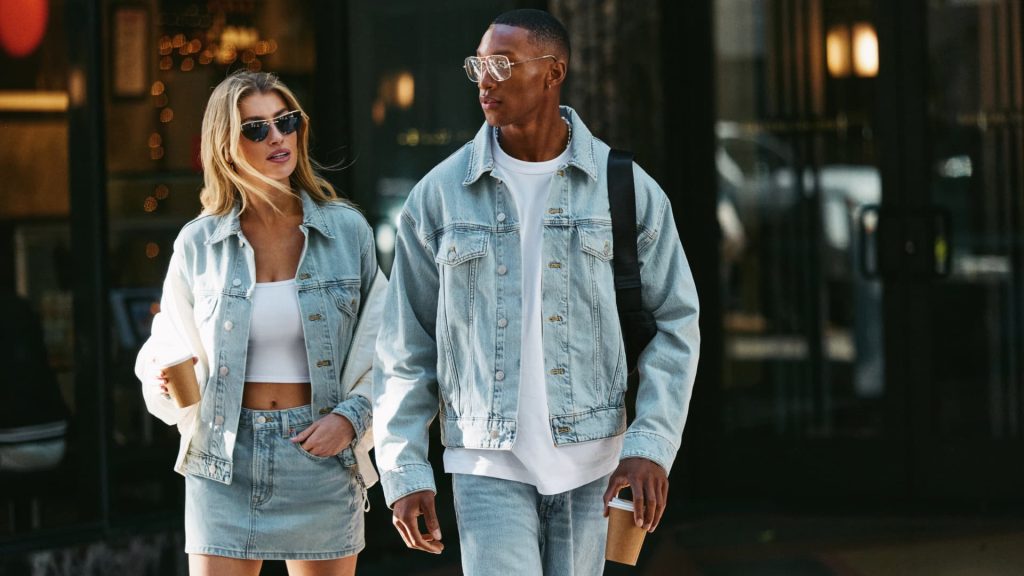
Athletic wear brand Fabletics has unveiled its inaugural denim line, marking a strategic pivot as the once-booming athleisure sector experiences a notable slowdown. The announcement comes as consumer fashion preferences shift away from the comfortable, pandemic-era clothing that dominated recent years.
Set to debut online and in selected retail locations this Thursday, the new collection features eleven distinct styles and seven different washes for both men and women. Pricing ranges from $79.95 to $174.95, with variations based on customers’ membership status in Fabletics’ subscription service.
According to co-founder and CEO Adam Goldenberg, customer demand drove the expansion decision. More than one million customers expressed strong interest in purchasing denim from the brand, providing clear market validation for the new product category. Goldenberg emphasized that the timing aligns with an observed upturn in denim popularity, noting that the company began exploring this market opportunity over two years ago.
The move reflects broader changes in consumer behavior as the relaxed “soft dressing” trend loses momentum. The comfortable joggers, athletic bras, and hoodies that became wardrobe staples during pandemic lockdowns are giving way to more structured clothing choices. As remote work arrangements become less common, consumers increasingly favor denim over leggings for versatile pieces suitable for both weekend activities and office environments.
Market data supports this trend shift. Research from Euromonitor International indicates that while the athleisure market continues expanding, growth rates in North America have decelerated. Sports apparel market growth is projected at 2.3% for 2026 compared to 2025, down from the 3.1% increase recorded between 2023 and 2024. Conversely, denim market growth is expected to reach 2.1% this year, significantly higher than the 0.7% growth seen in the previous period.
Global statistics from GlobalData reveal similar patterns, with athleisure growing 2% last year while denim expanded 4%. These figures underscore the shifting consumer preferences that Fabletics aims to capitalize on with its new offering.
Goldenberg acknowledged that comfort remains paramount even as consumers dress more formally. The company’s denim development focused on maintaining the comfortable feel customers expect while providing more polished styling options. This approach reflects lessons learned from the pandemic about prioritizing comfort in fashion choices.
The cyclical nature of denim popularity has historically challenged fashion retailers. Major players like Levi Strauss, American Eagle, and Gap have adapted by diversifying their portfolios to include both denim and athleisure options, reducing their vulnerability to fashion trend fluctuations. These companies maintain leadership positions in denim while operating separate athletic wear brands as protective measures against style shifts.
Specialized athleisure brands face greater challenges during these transitions. Lululemon, which experienced explosive growth during the pandemic, now confronts difficulties as denim regains popularity. The company has spent years expanding beyond its signature yoga pants into lifestyle categories including outerwear, casual shirts, and workplace-appropriate trousers. While this diversification increased Lululemon’s addressable market, some analysts argue it has alienated core customers and contributed to slower growth in key markets.
Nike’s recent leadership transition also illustrates these challenges. Former CEO John Donahoe’s focus on lifestyle and streetwear helped build a $50 billion brand but ultimately led to market share losses as the strategy diverted attention from core performance products. New CEO Elliott Hill is now working to refocus the brand on athletic performance to reconnect with its primary consumer base.
However, Goldenberg disputes the notion that category expansion necessarily weakens core offerings. He argues that emerging brands like Fabletics, Alo Yoga, and Vuori are gaining market share from established players through superior execution rather than benefiting from incumbents’ strategic missteps. He emphasized that Fabletics’ expansion complements rather than compromises its athleisure innovation efforts.
The CEO stressed that successful category expansion requires an additive approach rather than substitution. Fabletics continues investing heavily in athletic wear innovation while ensuring its denim launch meets the highest quality standards. This dual focus strategy has helped the company exceed expectations in its five-year plan to double revenue and quadruple profits.
Fabletics has demonstrated successful category diversification previously. Its men’s line, launched in 2020, now generates over $300 million in annual revenue. The company’s scrubs collection has grown to $75 million in just over two years since its introduction, validating the expansion strategy.
While athletic wear remains the primary focus, Goldenberg views category expansion as essential for increasing customer lifetime value and attracting new shoppers. The scrubs line exemplifies this approach, bringing thousands of new customers monthly who often purchase athletic wear within 90 days of their initial scrubs purchase, demonstrating successful cross-selling potential.