American Fuel Costs Soar Past $4 Mark Amid Middle East Conflict, Reaching Three-Year Peak
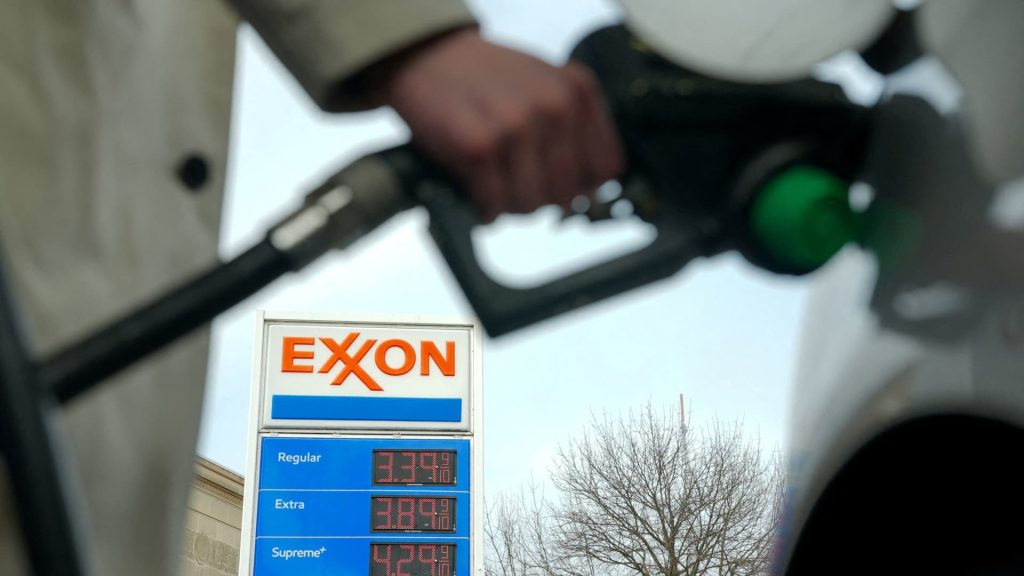
American motorists are facing their steepest fuel expenses in over three years, with gasoline prices climbing beyond $4 per gallon as Middle Eastern conflicts create significant disruptions in global oil markets.
According to AAA data, the national average reached $4.018 per gallon, marking the highest point since August 2022 when the Ukraine conflict affected energy supplies worldwide. Since late February attacks involving the United States and Israel against Iran, pump prices have jumped over 30 percent.
Environmental Protection Agency Administrator Lee Zeldin warned of potential American fuel supply disruptions during remarks at S&P Global’s CERAWeek conference in Houston. In response, the EPA has temporarily relaxed certain regulations to boost gasoline availability and help moderate pricing pressures.
Vice President JD Vance cautioned consumers about challenging times ahead regarding fuel costs in upcoming weeks. However, Vance assured the public that the current price surge represents a temporary situation that should improve once regional hostilities conclude.
Speaking at an Auburn Hills, Michigan event on March 18, the vice president acknowledged the administration’s awareness of the crisis and emphasized ongoing efforts to address the situation.
Global oil markets have experienced dramatic volatility, with prices climbing more than 50 percent since conflict erupted. Brent crude, the international pricing standard, is tracking toward its largest monthly increase since futures trading began in 1988. American crude oil is similarly positioned for its most significant monthly gain since 2020.
Macquarie Group’s chief economist David Doyle projects March gasoline prices will average 25 percent higher than February levels. This would represent the largest monthly price jump recorded since October 1990, according to Doyle’s March 25 client analysis.
Diesel fuel has crossed the $5 per gallon threshold as of March 17, representing a more than 40 percent increase from pre-conflict levels. This development carries broad economic implications since diesel powers the trucking and freight rail systems that move goods throughout the country.
Lipow Oil Associates President Andy Lipow noted in a March 20 client communication that consumers have already experienced sticker shock from rising gasoline and airline ticket prices due to increased jet fuel costs.
The full economic impact of elevated diesel prices has yet to materialize and will ripple through the economy over the coming months, Lipow explained.
GasBuddy’s petroleum analysis chief Patrick De Haan predicts consumers will feel additional effects by April through higher grocery and online shopping costs. The analyst warned on March 20 that these developments will rapidly accelerate broader inflation.
Energy Secretary Chris Wright informed CNBC last week about administration plans to increase diesel availability in the marketplace, suggesting relief measures could be implemented relatively soon.
Oil price increases stem from dramatically reduced tanker traffic through the Strait of Hormuz due to Iranian attacks. This waterway represents the world’s most critical oil export route, typically handling approximately 20 percent of global oil supplies before the current crisis.
Gulf Arab oil producers have reduced output because storage capacity limitations have emerged as the Strait remains essentially inaccessible. The International Energy Agency characterizes this as the largest oil supply disruption in recorded history.
The current administration has implemented several measures to counter rising prices, though their effectiveness remains uncertain given the disruption’s magnitude. Analysts emphasize that oil transport through the Strait must resume for meaningful price relief.
De Haan observed that presidential options remain limited in addressing the current situation.
The EPA has temporarily suspended restrictions on E15 gasoline sales, a fuel blend containing 15 percent ethanol. Summer-month E15 sales are typically restricted in approximately half the country due to air quality regulations.
This waiver becomes effective May 1 and continues through May 20, with possible extensions depending on ongoing conditions, Zeldin announced.
Speaking to reporters March 25 in Houston, the EPA administrator pledged continued supply monitoring with industry and federal partners, emphasizing readiness to extend emergency fuel waivers as circumstances warrant.
America is releasing 172 million barrels from its Strategic Petroleum Reserve as part of a coordinated international effort involving over 30 nations to inject 400 million barrels into global markets addressing supply shortages.
The administration has also waived Jones Act shipping restrictions for 60 days. These regulations typically require American vessels to transport goods between domestic ports. The temporary waiver permits foreign ships to deliver oil and gas domestically, potentially reducing transportation expenses.
While the Jones Act waiver will benefit West Coast and Northeast gasoline supplies, it offers limited assistance to other national regions, De Haan explained.
Congressional action could suspend federal fuel excise taxes, potentially saving consumers approximately 18 cents per gallon on gasoline and 24 cents on diesel, according to Lipow’s analysis.
De Haan warns that gasoline prices could potentially reach record $5 per gallon levels without action to resolve the Strait of Hormuz bottleneck, describing the situation as a race against time.