African Advocates Demand Swift Response to Rising Cyber Violence Against Women
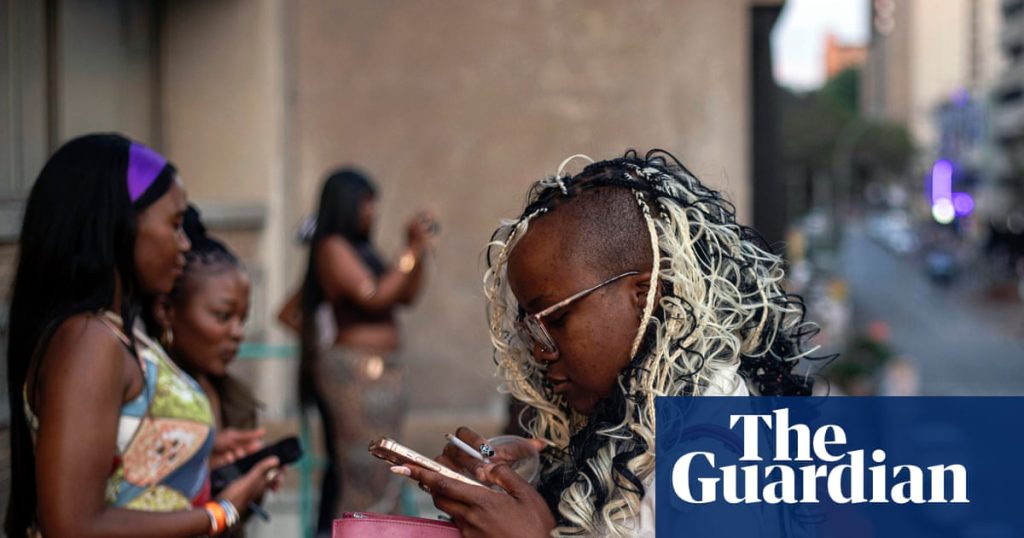
Rights advocates and legal professionals across Africa are demanding immediate intervention as technology-facilitated gender-based violence escalates throughout the continent, creating severe real-world consequences for victims.
The dramatic expansion of internet connectivity, combined with Africa’s predominantly youthful population, has created new avenues for perpetrators to intimidate, control, and silence women and girls while influencing young men’s attitudes toward gender-based violence.
Ayesha Mago, who serves as global advocacy director at the Sexual Violence Research Initiative, warns that the digital realm is amplifying existing inequalities. The organization supports research on violence against women and children in developing nations.
Exponential Growth Creates New Risks
Sub-Saharan Africa’s population is more than 70% under age 30, while internet penetration continues to surge across the region. Young demographics typically experience higher rates of online harassment and engage more heavily with digital technologies, creating a perfect storm for abuse.
The consequences of digital violence extend far beyond screen interactions, manifesting as psychological trauma, economic exclusion, social withdrawal, physical assaults on LGBTQI+ individuals in countries with anti-homosexuality laws, and in extreme cases, femicide.
Continental research remains limited, but existing studies reveal alarming trends. Research spanning five sub-Saharan nations found that 28% of women had encountered online violence. With only 38% of Africans currently accessing the internet—dropping to 31% among women—these figures are expected to climb as connectivity expands.
Country-Specific Evidence Reveals Widespread Abuse
Ethiopia presents particularly disturbing evidence of normalized digital harassment. Four years of research by the Centre for Information Resilience documented endemic gendered abuse online. Ethiopian women report feeling unsafe on any platform, with attackers targeting their appearance and societal roles rather than their ideas. The harassment often transitions offline, forcing at least three women to flee the country after sustained campaigns of abuse.
Uganda’s 2021 National Survey on Violence revealed that nearly half of women (49%) had experienced online harassment. Meanwhile, forthcoming South African research by Equimundo and UN Women demonstrates how exposure to harmful digital content makes men 2.6 times more likely to commit violence and 1.8 times more likely to embrace misogynistic beliefs.
Political Women Face Intensified Attacks
Women in politics, human rights activism, and journalism bear the brunt of coordinated online campaigns. A 2021 study examining 137 female parliamentarians across 50 African nations found that 46% faced sexist online attacks, while 42% received threats of death, rape, or abduction through social media platforms.
Kenya’s political landscape reflects similar patterns, with UN Women documenting systematic campaigns of name-calling, blackmail using compromising images, and fear-mongering designed to discourage women’s electoral participation. Focus group participants reported living in constant fear of sexual assault during campaign activities.
Tunisia’s political discourse shows even more severe trends, with research from 2019-2023 revealing that over 70% of commentary about women politicians contained violent or abusive language. Women faced dehumanization through animal comparisons and attacks targeting their sexuality, morality, age, and appearance. Black women politicians faced additional discrimination questioning their national belonging.
Legal Frameworks Lag Behind Digital Realities
Globally, nearly 40% of women will experience technology-facilitated violence, while 85% of women online witness or encounter abuse. Despite this prevalence, fewer than 40% of countries maintain laws protecting women from cyber harassment or stalking, leaving 1.8 billion women and girls without legal recourse.
Approximately 17 African countries have introduced cybercrime legislation, with South Africa’s Domestic Violence Amendment Act serving as a regional model. This law includes provisions allowing courts to order digital platforms to remove abusive content. However, most legislation fails to acknowledge the gendered nature of online abuse.
The 2024 African Union Convention on Ending Violence against Women and Girls includes digital violence provisions, but critics argue it falls short of establishing clear rights and state obligations regarding technology-facilitated gender-based violence.
Beyond Legislation: Addressing Systemic Gaps
Legal frameworks alone cannot solve the crisis. Public awareness of existing protections remains minimal, with many people unaware of their rights or available remedies. Digital literacy levels remain low across the continent, while law enforcement often dismisses online violence as less serious than physical abuse.
Social media platforms face criticism for prioritizing profits over user safety and failing to account for local languages, cultural contexts, and specific regional challenges. Advocates argue that platforms must be held accountable for the harm occurring on their services.
The convergence of rapid digital expansion and demographic trends in Africa creates an urgent need for comprehensive responses addressing legal protections, public education, law enforcement training, and platform accountability to prevent the escalation of technology-facilitated gender-based violence.