Global Gender Restrictions: Nine Locations Where Women Face Entry Prohibitions
Despite significant progress in gender equality worldwide, numerous locations across the globe continue to maintain restrictions that prevent women from entering specific spaces or participating in certain activities. These barriers range from complete territorial bans to institutional exclusions, affecting millions of women internationally.
Gender-based discrimination manifests in various forms, from religious justifications to traditional practices and legal restrictions. While some prohibitions involve physical spaces like sacred mountains or islands, others represent systemic exclusions from professions, organizations, or educational opportunities. The impact of these restrictions extends far beyond individual access, affecting entire communities and perpetuating inequality.
Educational Institutions in Afghanistan
Since the Taliban’s return to power in 2021, Afghanistan has implemented some of the world’s most severe educational restrictions on women. The government has prohibited girls from attending school beyond sixth grade and completely banned women from universities. These policies affect over 2.2 million girls and have devastating consequences for the country’s social and economic development. UNESCO has documented more than 70 decrees that violate women’s and girls’ rights since the Taliban regained control.
Catholic Priesthood Worldwide
The Roman Catholic Church maintains its prohibition on women entering the priesthood, a restriction that applies globally wherever the Church operates. While women can serve in various lay ministry roles and administrative positions within the Vatican and local parishes, they cannot perform sacraments, consecrate the Eucharist, or hold positions as priests or bishops. This exclusion affects the world’s largest Christian denomination, with over 1.3 billion adherents worldwide.
Masonic Organizations in the United States
Traditional Masonic lodges throughout America continue to exclude women from membership, maintaining practices established in the 18th century. These fraternal organizations, which have included numerous U.S. presidents among their members, operate under strict hierarchical traditions that limit full membership to men. Women can only participate through associated organizations like the Order of the Eastern Star, which maintains charitable connections to Freemasonry.
Public Spaces in Iran
Iranian law requires women to wear hijabs or head coverings in all public areas, with severe penalties for non-compliance. The 2023 “Protection of the Family through Promoting the Culture of Hijab and Chastity” law imposes strict dress codes and can result in imprisonment, flogging, or substantial fines for violations. These restrictions extend to healthcare facilities and educational institutions, where women may be denied services for failing to comply with dress requirements.
Mount Omine, Japan
This UNESCO World Heritage site in Japan’s Nara Prefecture has maintained a 1,300-year prohibition on women climbers. The mountain serves as a sacred location for Shugendo practitioners and houses the Ōminesan-ji Temple at its summit. The restriction stems from religious beliefs within this mystical tradition that blends Shinto, Buddhism, Taoism, and animism, where women are considered spiritually incompatible with the mountain’s holy status.
The Bohemian Club, California
Founded in 1872 in San Francisco, this exclusive private club maintains male-only membership policies. The organization, which has counted prominent political figures and business leaders among its members, operates under traditional bylaws that restrict full membership to men. While legal challenges have required the club to hire female staff members, women remain excluded from membership and participation in club activities.
Mount Athos, Greece
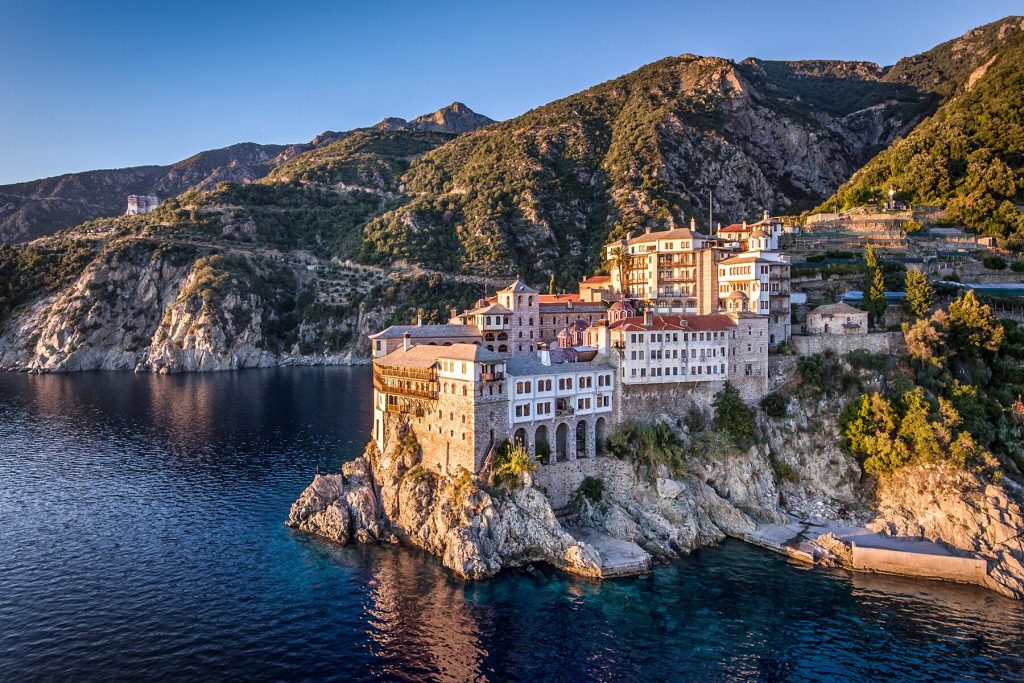
Known as “The Holy Mountain,” this autonomous monastic region in northern Greece enforces one of the world’s strictest gender prohibitions. The Avaton rule bars all women from the entire peninsula, which houses 20 monasteries and approximately 1,400 monks. The restriction extends 500 meters offshore and even applies to female animals, with cats being the sole exception to this comprehensive ban.
Okinoshima Island, Japan
This sacred Shinto island maintains absolute restrictions on female visitors, allowing only rotating male priests and selected researchers to land. The prohibition stems from religious beliefs about ritual purity and menstruation within Shinto tradition. The island, dedicated to the goddess Tagorihime, maintains a population of exactly one resident priest at any given time, making it one of the world’s most isolated religious sites.
These restrictions highlight ongoing challenges in achieving global gender equality, demonstrating how traditional, religious, and institutional barriers continue to limit women’s access to education, spiritual practices, professional opportunities, and physical spaces across diverse cultures and societies.