Travel Industry Faces Multiple Crises: From Stranded Passengers to Safety Incidents
The travel industry continues to grapple with a series of concerning incidents that highlight systemic issues affecting passengers worldwide. From airport chaos to questionable safety practices, these recent events underscore the growing challenges facing modern aviation and tourism.
European Border Controls Create Passenger Nightmare
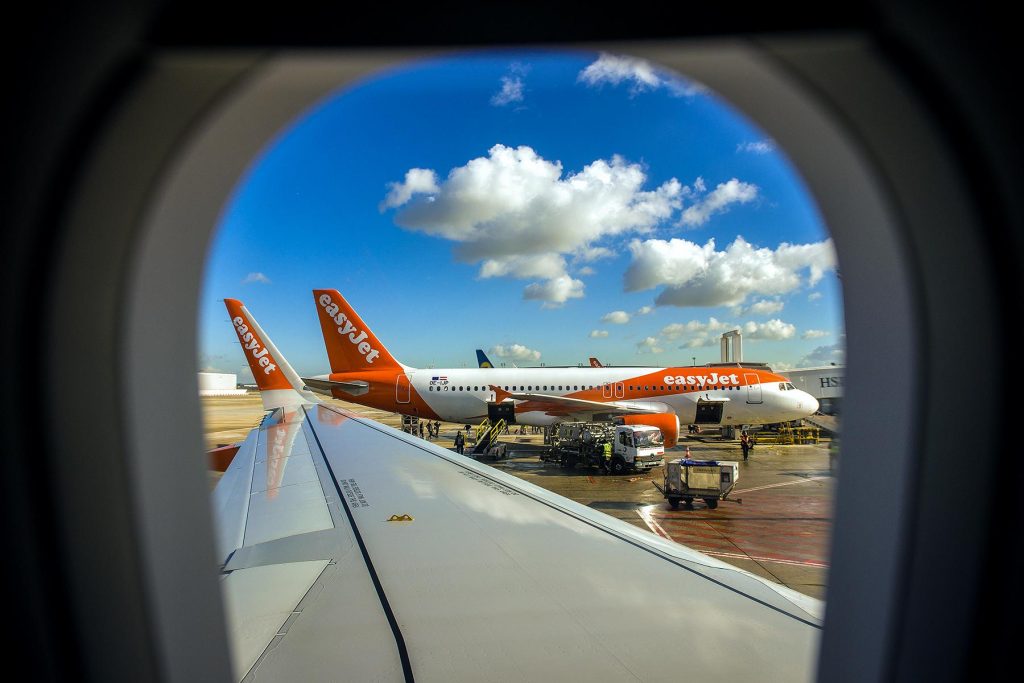
A European budget airline recently abandoned over 120 passengers at Milan’s airport due to extensive delays at immigration checkpoints. The incident occurred when new European Union border control systems caused hours-long queues, preventing travelers from reaching their Manchester-bound flight on time. Only 34 passengers managed to board, leaving 122 stranded.
This situation perfectly illustrates what I believe is a fundamental problem with how airlines handle operational disruptions. While the carrier blamed airport authorities for the delays, passengers bore the ultimate cost of poor coordination between airlines and border agencies. The new Entry/Exit System requiring fingerprints and photos for non-EU travelers was always going to create bottlenecks, yet airlines seem unprepared for predictable complications.
Frequent international travelers should take note: this type of disruption will likely become more common as security measures tighten globally. Budget-conscious passengers using low-cost carriers are particularly vulnerable, as these airlines typically offer fewer rebooking options and customer protections.
Airline Safety Policies Tighten Around Portable Devices
A major U.S. carrier has implemented new restrictions on portable charging devices, limiting passengers to one power bank per person and prohibiting their storage in overhead compartments. The devices must remain in under-seat bags and cannot be charged using aircraft power outlets.
From my perspective, this policy change makes complete sense from a safety standpoint. Lithium battery fires on aircraft pose genuine risks, and several international carriers have already banned these devices entirely. However, I think this creates an unfair burden on business travelers and digital nomads who rely heavily on multiple devices during long flights.
The restriction will most significantly impact tech-savvy travelers, content creators, and anyone working during flights. Leisure travelers with minimal device usage will barely notice the change.
Miami Landmark Demolished for Luxury Development
Miami’s skyline changed dramatically when a 23-story luxury hotel was demolished in a controlled explosion lasting less than 20 seconds. The 25-year-old property will be replaced by two new towers featuring upscale residences and hospitality facilities, expected to open by 2030.
While urban renewal is necessary, I find it troubling how quickly iconic properties disappear in favor of ultra-luxury developments. This trend reflects broader gentrification issues affecting travel destinations worldwide. The replacement project will likely cater to an even more exclusive clientele, potentially pricing out middle-class travelers who previously enjoyed the area.
This development benefits wealthy investors and luxury travelers but does little for accessible tourism. Cities need to balance economic development with preserving character and affordability.
Tourist Wildlife Incident Highlights Legal Ignorance
Two tourists from New York and Tennessee faced felony charges after driving through Florida with a dead alligator strapped to their car roof. The pair claimed they found the animal as roadkill and planned to have it taxidermied, despite multiple warnings that possessing alligators was illegal.
This incident exemplifies the dangerous combination of tourist ignorance and social media culture. I suspect these individuals were motivated more by creating viral content than genuine interest in taxidermy. Their behavior shows complete disrespect for local wildlife laws and environmental protection.
Travelers need to understand that wildlife regulations exist for serious conservation reasons. What seems like harmless fun to tourists can carry severe legal and ecological consequences. This case should serve as a warning to anyone tempted to treat protected wildlife as souvenirs.
Airport Safety Incident Raises Workplace Concerns
An aircraft maintenance worker suffered multiple fractures after falling 12 feet from an aircraft when movable stairs were removed at Manchester Airport. The engineer was hospitalized with non-life-threatening injuries, prompting a full investigation by the airline involved.
Workplace safety incidents like this concern me deeply because they often indicate broader systemic issues in airport operations. The pressure to maintain tight turnaround schedules can lead to rushed procedures and inadequate safety protocols. While this particular incident may have been isolated, it highlights the human cost of aviation industry efficiency demands.
Passengers should be aware that the people servicing their aircraft work under intense time pressure, which can compromise safety standards. This incident affects airline employees directly but should concern all travelers who depend on proper aircraft maintenance.
Industry Implications
These incidents collectively reveal an industry struggling with rapid changes, increased security requirements, and operational pressures. Travelers must adapt to evolving regulations while airlines balance safety, efficiency, and customer satisfaction. The most vulnerable are budget travelers and those unfamiliar with changing international requirements.
Smart travelers should stay informed about policy changes, maintain flexibility in their plans, and respect local regulations wherever they visit.