Media Headlines Focus on BBC Presenter Dismissal and Political Tensions
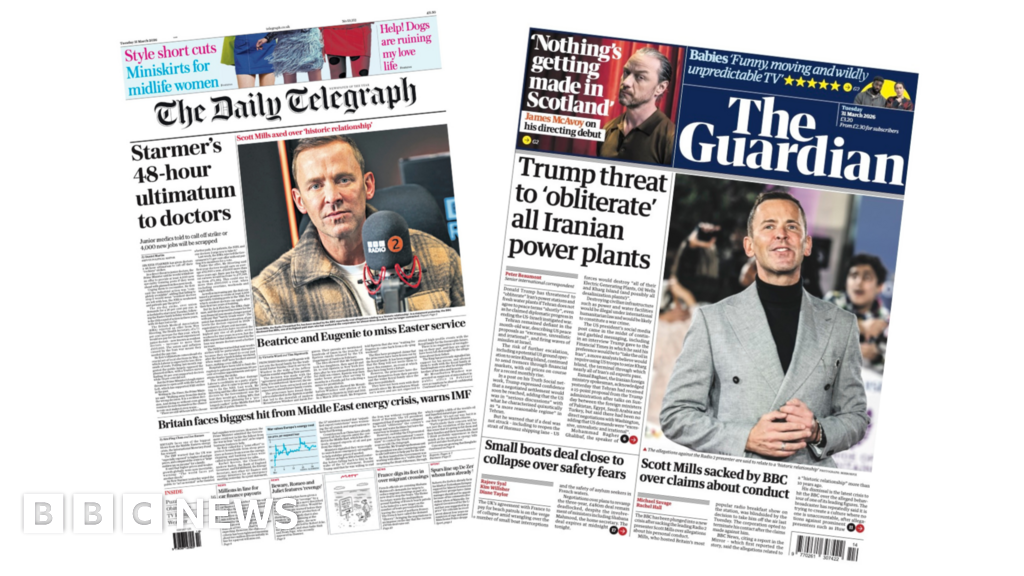
British newspapers are dominated by coverage of Scott Mills’ departure from his BBC Radio 2 breakfast show position. Multiple publications report that broadcasting corporation employees were shocked by the announcement of his exit. The dismissal was reportedly communicated through what sources describe as a brief official statement, and is believed to have been among the final decisions made by outgoing BBC Director General Tim Davie before his departure on Thursday.
Speculation about Mills’ replacement is already underway, with betting companies suggesting Gary Davies as the leading candidate for the permanent breakfast show role. Industry observers describe Davies as a reliable choice for the position. Other potential successors being discussed include Vernon Kay, Sara Cox, Greg James, Trevor Nelson, and Rylan Clark. Some media outlets are even questioning whether Chris Evans might consider returning to the role he previously held.
In political news, Chancellor Rachel Reeves appears set to benefit from increased tax revenues as Middle Eastern conflicts drive energy prices higher. Financial analysis indicates the government is collecting approximately £20 million daily in additional income through various levies and taxes connected to oil and gas pricing. However, government officials caution that these extra funds may be counterbalanced by rising borrowing costs.
The automotive sector is pressing the Labour government for immediate action to support drivers facing fuel-related challenges. The AA has specifically warned Prime Minister Keir Starmer against postponing necessary measures. Reports indicate Starmer held discussions with business leaders at Downing Street, urging them to minimize the economic impact of the Iranian conflict.
Tensions are escalating between the government and healthcare workers as Starmer has given junior doctors in England a 48-hour deadline to reconsider their planned strike action. His statement has been characterized as both an ultimatum and a direct warning to medical professionals contemplating industrial action. Political analysts note that this firm position risks creating divisions within Labour’s support base, particularly among left-wing members who have historically backed NHS strikes.