USB Charging Hubs: Managing Multiple Devices Without the Clutter
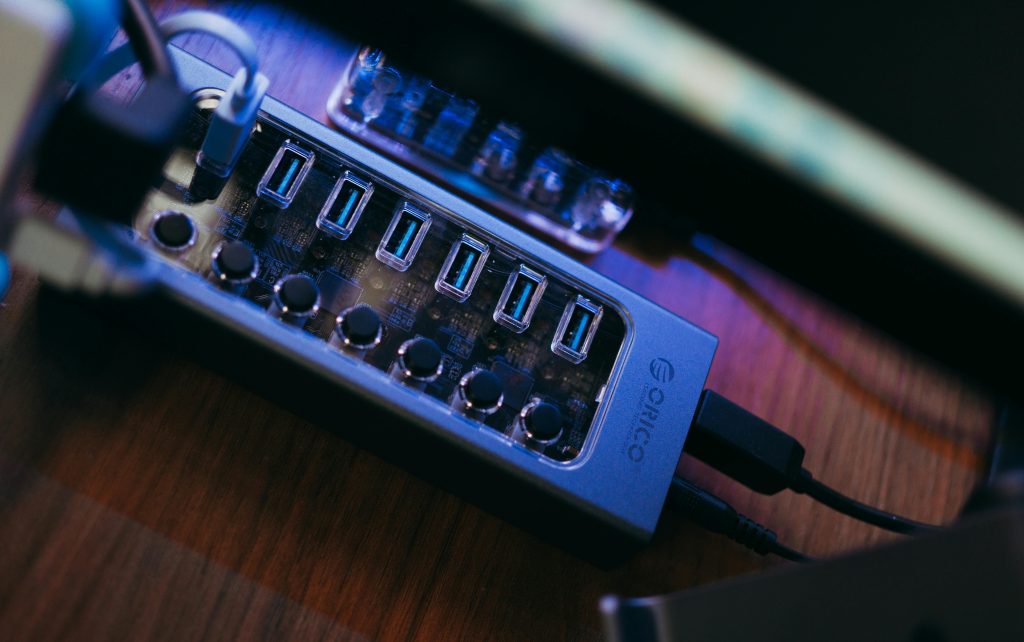
Disclosure / Affiliate Notice:
As an Amazon Associate I earn from qualifying purchases. Some links in this article may be affiliate links that earn me a commission at no extra cost to you.
The modern desk has become a battlefield of cables, adapters, and the eternal hunt for available outlets. I’ve watched countless people juggle charging priorities like they’re managing a small power grid, and frankly, it’s exhausting to witness. The rise of USB charging hubs represents more than just a convenience upgrade—it’s a fundamental shift in how we approach device management in our increasingly connected lives.
The Hidden Cost of Cable Chaos
What most people don’t realize is that the daily dance of swapping chargers isn’t just annoying—it’s actively damaging your productivity and peace of mind. Every time you unplug your laptop to charge your phone, or hunt around for that one fast-charging adapter, you’re creating what I call “micro-friction.” These tiny interruptions compound throughout the day, creating a background level of stress that’s easy to dismiss but hard to escape.
In my experience, households and offices that haven’t addressed their charging infrastructure are operating under a constant low-level inefficiency. It’s like trying to cook in a kitchen where you can only use one appliance at a time. Technically possible, but unnecessarily complicated.
The Mathematics of Modern Power Needs
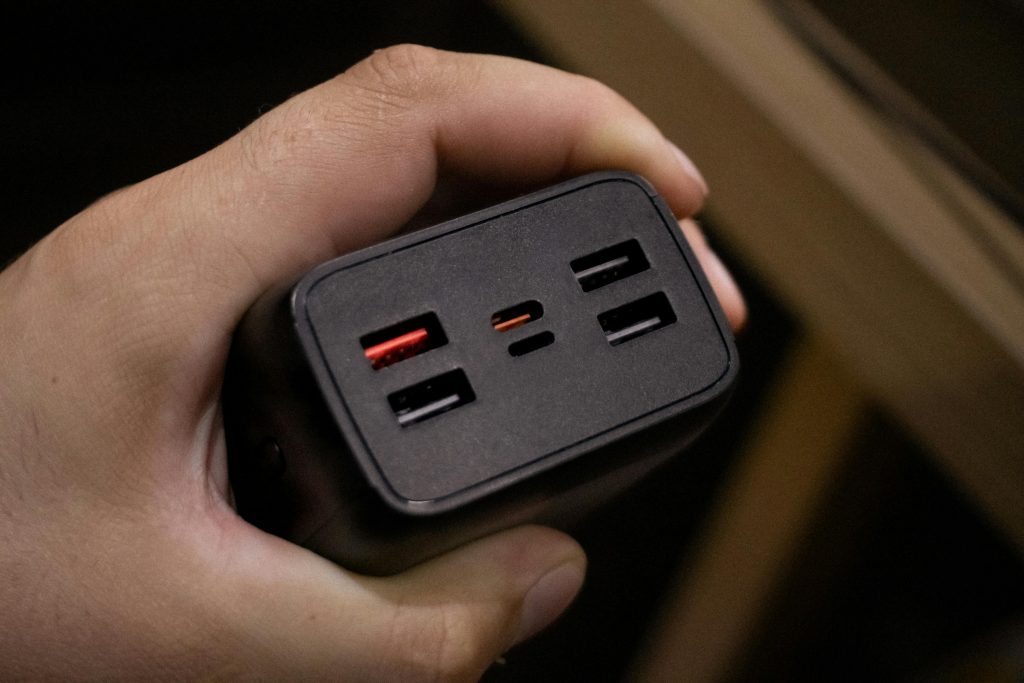
Here’s where most people get it wrong: they focus on the number of ports instead of understanding power distribution. A charging hub isn’t just a fancy power strip—it’s a sophisticated piece of technology that manages electrical flow across multiple devices simultaneously.
The critical insight is that total wattage matters more than port count. A hub with eight ports but only 30 watts of total output will disappoint you when you try to charge a tablet and laptop together. Conversely, a four-port hub with 100 watts can handle serious charging demands without breaking a sweat.
What I find particularly interesting is how power-sharing algorithms have evolved. Modern hubs use intelligent distribution systems that allocate power based on device needs rather than splitting it equally. This means your phone gets the power it needs while your laptop receives its fair share, all without you having to think about it.
The Compatibility Maze Nobody Talks About
The transition from USB-A to USB-C has created a compatibility nightmare that most people are navigating poorly. I regularly see setups where someone bought an all USB-C hub but still owns devices with older charging requirements, leading to a collection of adapters that defeats the entire purpose.
The smart approach is investing in hubs that bridge both worlds. This isn’t about future-proofing—it’s about acknowledging that technology transitions happen gradually, and your charging solution should accommodate that reality rather than force you to replace perfectly good cables.
Fast-charging protocols add another layer of complexity. Not all ports on a hub support the same charging speeds, and manufacturers aren’t always clear about which ports offer premium features. This is why that “default layout” phenomenon emerges—people naturally develop charging habits based on trial and error rather than understanding their hub’s capabilities.
The Psychology of Centralized Charging
What fascinates me most about charging hubs is how they change behavior in unexpected ways. When charging becomes centralized, people develop different relationships with their devices. Instead of devices being scattered around various outlets, they congregate in one location, creating what I call a “tech staging area.”
This centralization has psychological benefits that go beyond convenience. There’s something calming about knowing exactly where your devices are charging and being able to check their status at a glance. It transforms charging from a scattered, reactive process into an organized, proactive system.
For families or shared workspaces, a well-placed charging hub becomes a neutral zone where everyone’s devices can coexist without territorial disputes over outlets. It’s remarkable how such a simple change can reduce household friction.
The Heat Problem Everyone Ignores
Here’s what manufacturers don’t emphasize enough: heat management is crucial for both safety and longevity. I’ve seen too many people treat charging hubs like they’re indestructible, placing them in enclosed spaces or covering them with papers and other items.
Heat isn’t just a safety concern—it directly impacts charging efficiency and device health. A hub that runs hot will throttle its output, meaning your devices charge slower than advertised. Worse, consistent overheating can degrade the hub’s components and potentially damage connected devices.
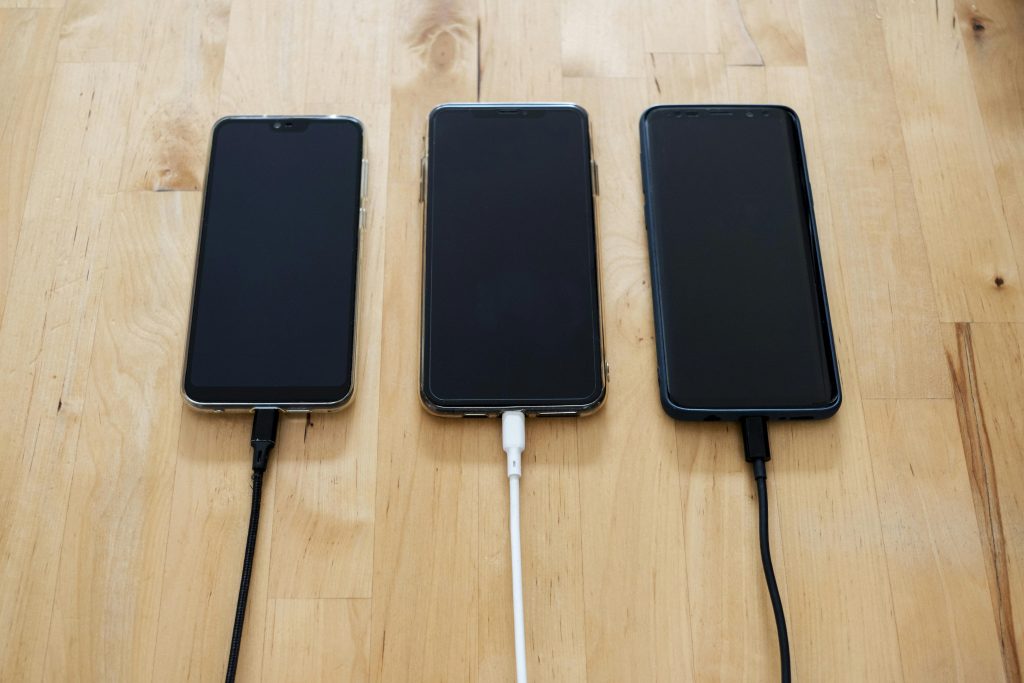
The solution is simple but often overlooked: treat your charging hub like any other piece of electronics that generates heat. Give it space to breathe, keep it on hard surfaces, and avoid burying it under clutter.
Who Actually Benefits from This Technology
Charging hubs aren’t for everyone, and recognizing this can save you money and frustration. They’re most valuable for people who regularly charge three or more devices simultaneously, work from home, or share charging spaces with others.
If you’re someone who owns only a phone and maybe a smartwatch, a charging hub is probably overkill. Similarly, if you’re rarely in one place long enough to establish a charging routine, the benefits don’t justify the investment.
The sweet spot is households with multiple device users, home offices, or anyone who’s tired of playing charging musical chairs. These are the situations where a hub transforms from a nice-to-have into a genuine quality-of-life improvement.
The Bigger Picture of Power Management
What most people overlook is that adopting a charging hub represents a shift toward intentional technology management. Instead of letting device charging happen haphazardly, you’re creating a system that serves your needs rather than creating additional complexity.
This approach extends beyond just charging. When you centralize power management, you naturally become more aware of your device usage patterns, battery health, and charging habits. It’s a small step toward taking control of technology rather than being controlled by it.
The real value isn’t in the hub itself—it’s in the peace of mind that comes from having a reliable, predictable charging solution that just works. In our increasingly complex digital lives, that kind of simplicity is worth more than most people realize.
For anyone dealing with multiple devices and limited outlets, a quality charging hub can eliminate daily frustrations while creating a more organized approach to device management. A well-designed multi-port charging station can serve as the foundation for a more efficient workspace setup. A practical example can be found here:
For anyone dealing with multiple devices and limited outlets, a quality charging hub can eliminate daily frustrations while creating a more organized approach to device management. A well-designed multi-port charging station can serve as the foundation for a more efficient workspace setup. A practical example can be found here:
As an Amazon Associate I earn from qualifying purchases.