Former Media Executive Amy DuBois Barnett Channels Magazine Industry Experience Into Debut Novel
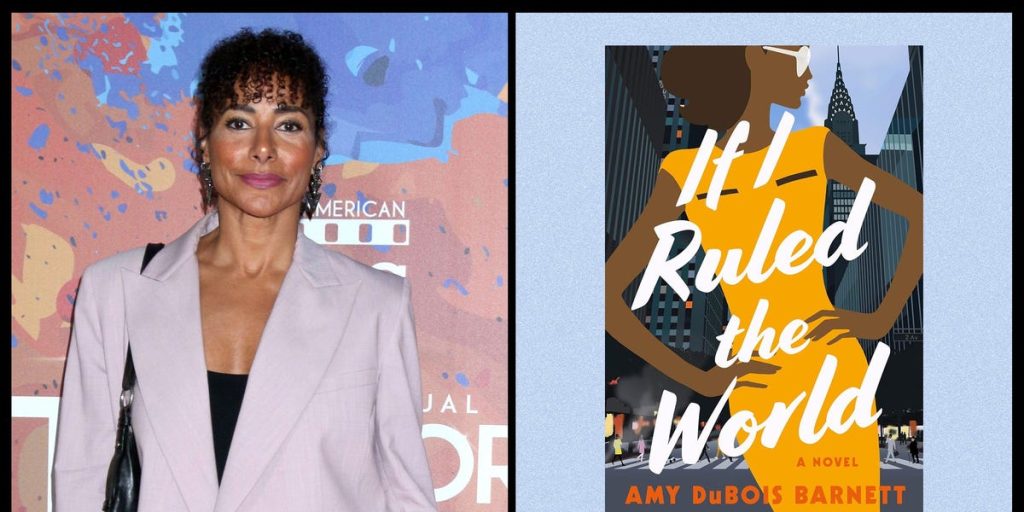
Amy DuBois Barnett, a trailblazing media executive who made history as the first Black deputy editor in chief at Harper’s Bazaar, has transformed her decades of magazine industry experience into her debut novel. Following a recent television appearance to promote the book, Barnett discussed how her groundbreaking career informed the creation of her complex protagonist.
A Complex Protagonist Navigating Media Power Structures
The novel centers on Nikki Rose, a 29-year-old woman pursuing her dream of becoming an editor in chief while working in New York’s magazine industry during the late 1990s and early 2000s. Barnett describes Rose as navigating what she calls a coming-of-power story rather than a coming-of-age tale, as the character confronts systemic challenges including misogyny, sexual harassment, and racism in high-end fashion publishing.
Barnett acknowledges that readers may interpret the work as autobiographical fiction, given her own experiences breaking barriers in media. Throughout her career, she held influential positions at publications including Essence, where she served as editor in chief, as well as Honey and Teen People. The author deliberately crafted Rose as a flawed character who makes significant mistakes but remains sympathetic due to her purpose-driven nature and commitment to representing underserved communities.
Drawing from Real Industry Experiences
The author incorporated several real incidents from her career into the narrative, including one particularly striking example from her time at Harper’s Bazaar. During a editorial meeting where she proposed featuring an R&B artist, a colleague suggested the only way the story would be approved was if the singer agreed to be photographed in whiteface, then immediately apologized upon realizing the racial implications of the comment in front of the room’s only Black editor.
This incident exemplifies what Barnett describes as the casual racism experienced by professionals who were often the sole representatives of their communities in predominantly white media spaces. The lack of consequences for such behavior highlighted the limited recourse available to those facing workplace discrimination.
The Golden Era of Magazine Publishing
Barnett’s novel serves as both entertainment and historical document, capturing the peak influence of print magazines when covers could make or break celebrities and magazine positions were among the most coveted in media. She recalls an industry where staff dressed impeccably daily, creating runway-like office environments, while working under intense pressure due to the high stakes and permanent nature of print publishing.
The author notes a fundamental difference between print and digital publishing: magazine articles had to be perfect upon printing, as there was no opportunity for correction once published. This permanence created both pressure and value that she believes is missing from today’s easily editable digital content.
Addressing Industry Culture and Accountability
The novel also examines the intersection of magazine publishing with hip-hop culture during an era when both industries grappled with issues of misogyny and violence. Barnett expresses gratitude for women who have recently come forward to expose misconduct, particularly in the music industry, which parallels themes explored in her fiction.
While acknowledging her love for hip-hop as an art form, Barnett observes how the rise of gangster rap introduced more violent and misogynistic elements that permeated not just music but the broader cultural landscape. She views current reckonings as necessary but notes the challenge of changing entire cultural systems rather than simply removing individual bad actors.
From Page to Screen
The novel has attracted Hollywood attention, with Oscar-nominated director Lee Daniels partnering with Barnett to develop a television adaptation for Hulu. The transition from solitary novel writing to collaborative screenwriting represents a new creative challenge for Barnett, who welcomes the opportunity to learn from Daniels’ extensive industry experience.
This screen adaptation promises to bring the vibrant world of late 1990s New York magazine culture to television, potentially introducing new audiences to the glamour, pressure, and complex dynamics that defined an influential era in American media.